
by Eric Meier
China uses a lot of rosewood. So much so, in fact, that their increasing usage became the impetus for eventually listing the entire Dalbergia (rosewood) genus on CITES Appendix II back in 2016. But while most of these woods are now protected in international trade as endangered species, not all of China’s most revered woods have received equal protections. This discrepancy lies in the great diversity of precious woods used in China.
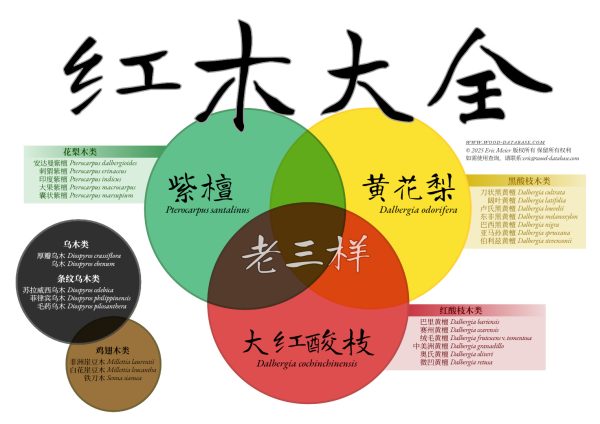
Hongmu 红木 — A name synonymous with prestige
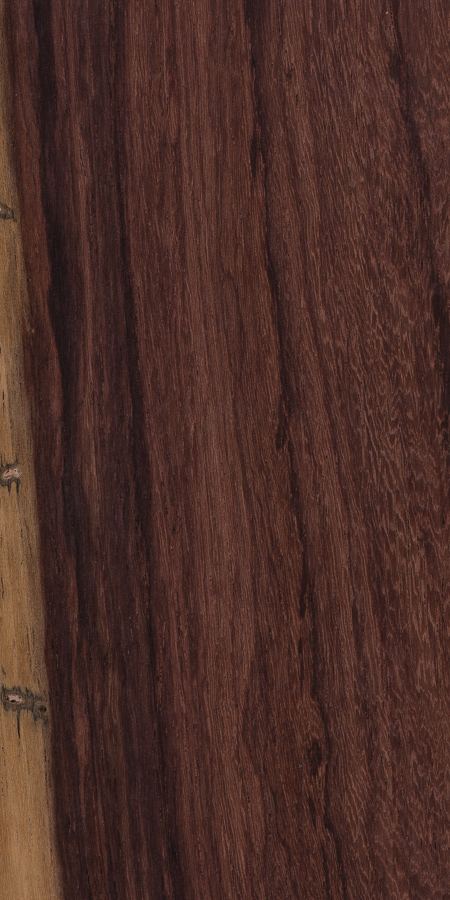
The name hongmu literally means “red wood.” Originally, the name hongmu referred specifically to Siamese rosewood (Dalbergia cochinchinensis)—which makes sense, since this could very fairly be called a “red wood.” But while the term started out only applying to a single species, the definition has since deepened and broadened over time to eventually cover a total of 29 distinct species over a total of 8 defined categories. Hence, Siamese rosewood is sometimes called 老红木 “old hongmu” or “old red wood” to distinguish it from the other (newer) species of hongmu that have since been adopted into mainstream use.
Today, the term hongmu no longer applies exclusively to a single species—or even to wood species that are red. The term is loosely translated into English as “rosewood,” but even this term isn’t entirely accurate either.
Even Siamese rosewood, “old hongmu,” was originally considered an alternative, non-native timber among the lumber species in the highest echelons of Chinese furniture. If you go far enough back to the Ming (1368-1644) and Qing (1636-1912) dynasties you’ll find two more highly-regarded (and exploited) woods that were used in the high end furniture of the day.
(Pterocarpus santalinus)
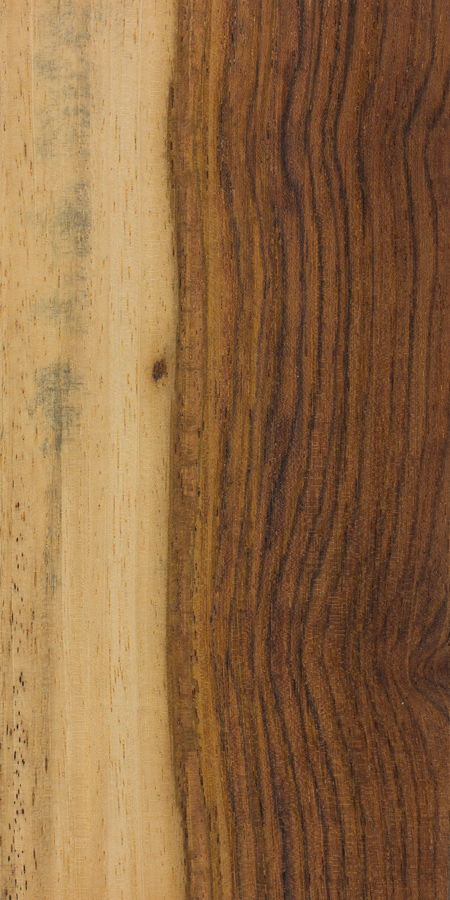
(Dalbergia odorifera)
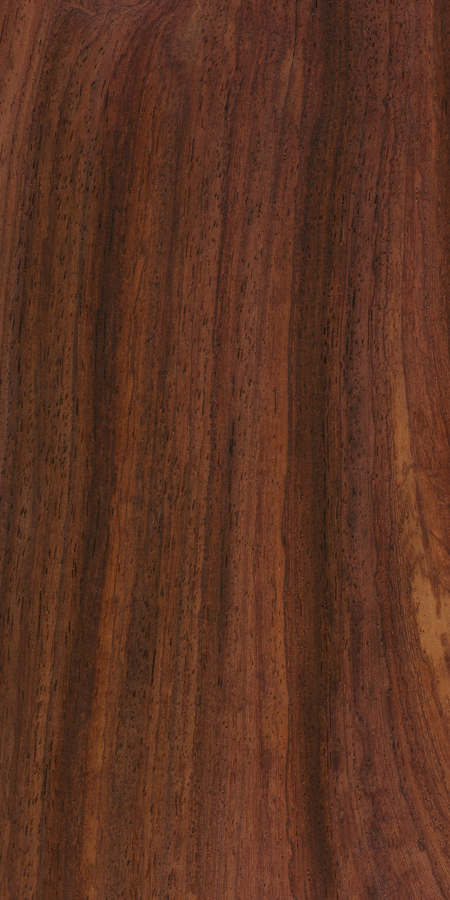
(Dalbergia cochinchinensis)
As the first wood at the very top of the list, there is 紫檀 (zitan) as the “king.”[1]最后的”老三样”:大红酸枝也已渐行渐远! [The last of the “old three”: Dalbergia cochinchinensis is also gradually moving away!]. (2017, June 9). Haisibot. … Continue reading This wood has a very high density, a deep reddish purple color, and a very fine grain able to take intricate carved details. These characteristics made it an ideal species for the emperor’s wood, and its use dates back to at least the year 1287.[2]Zhang, W. (2023). 红木家具用材的演变与发展趋势 [The evolution and development trend of hongmu furniture materials]. Zhongguo Linye Chanye, 12(4), 25–30.
Sitting beside this wood is the estimable 海南黃花梨 (Hainan huanghuali, or simply just huanghuali) as the “queen.” Hailing from the southernmost Chinese island province of Hainan, huanghuali is a proper and true tropical rosewood species of the Dalbergia genus. While not quite as dense as zitan, huanghuali boasts a golden honey to orangish red heartwood color, along with a host of figured and light-refracting grain patterns. (One of the most sought after is the 鬼臉 ghost-face pattern, usually stemming from a knot or area of circular grain, giving it an eerie, humanoid-like appearance—bocote (Cordia elaeagnoides) is another hardwood known better to Western woodworkers that also commonly displays this type of grain as well.)
But eventually, this king and queen pair were more or less tapped out, and other similar woods needed to be sought out to fill the void. This is where the original hongmu 红木 “red wood” comes unto play. If hongmu woods were a deck of playing cards, the Siamese rosewood be at the level of a jack.
Expanding the List Outward
As a wealthier middle class began to emerge in China, demand for traditional hongmu furniture began to grow to unsustainable levels. As time passed on, more and more species began to be imported and used in Chinese furniture. Some were counterfeits being passed off as the genuine article, while others were just lesser known or lesser utilized. So in addition to the three previously mentioned species, there are 26 other officially recognized hongmu species, for a total of 29 species divided into eight separate categories.
Because there was so much confusion and counterfeits, the Chinese government established an official document outlining the standard hongmu species and the criteria that must be met in order to be considered genuine. That standard first appeared back in 2000 as GB/T 18107, but has since been updated by a newer standard, officially designated GB/T 18107-2017.[3]General Administration of Quality Supervision, Inspection and Quarantine of the People’s Republic of China, & Standardization Administration of the People’s Republic of China. (2017). … Continue reading
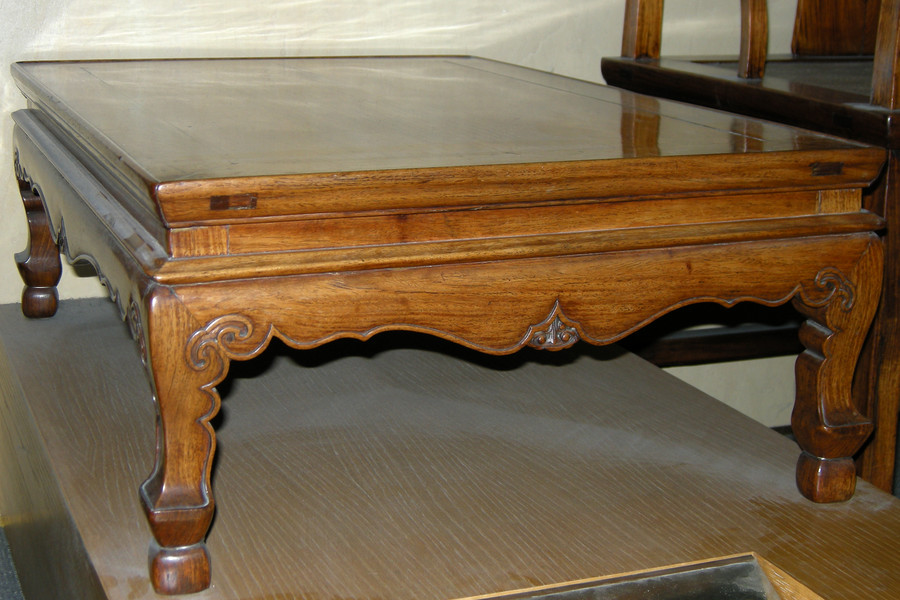
“Kang table” (cropped) by Veronika Brazdova, licensed CC BY 2.5.
A crucial distinction is that these standards include both the botanical name as well as a minimum density requirement (not to mention anatomy, color and scent requirements). On a practical level, what this means is that it’s not enough simply to have correctly identified the wood in question, the piece must also be of sufficient weight in order to be qualify for the proper hongmu status. Not only does this serve to exclude most counterfeits, but it can also end up filtering out faster-grown plantation trees whose wood may not meet the minimum threshold, but are nonetheless of the correct species.
Aside: While on the surface this practice of grading wood based on weight may seem to some to be “unfair,” I see it as a very good idea and something of great practical utility. As a woodworker in America, I’ve seen people worry over whether or not their flooring planks are true hard maple (Acer saccharum) or not. Yet what would be much more useful would simply be to weigh a few of the planks and see if they’re dense enough—and therefore hard enough—regardless of whatever species of maple they might end up being!
| # | Image | Chinese & English Name | Scientific Name | Minimum Req. Weight (@ 12% MC) |
|---|---|---|---|---|
| 1. 紫檀木类 Zitan Class | ||||
| 1.1 | 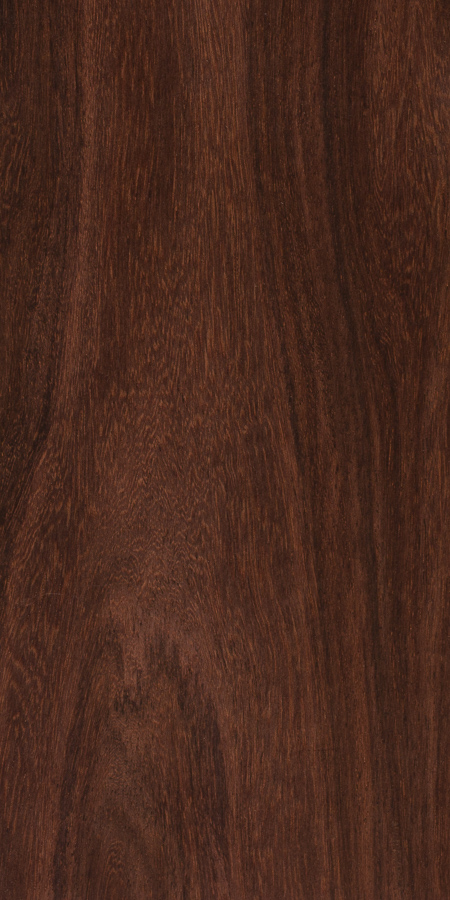 |
檀香紫檀 Zitan |
Pterocarpus santalinus | 1000 kg/m3 (62.4 lbs/ft3) |
| 2. 花梨木类 Huali Class | ||||
| 2.1 | 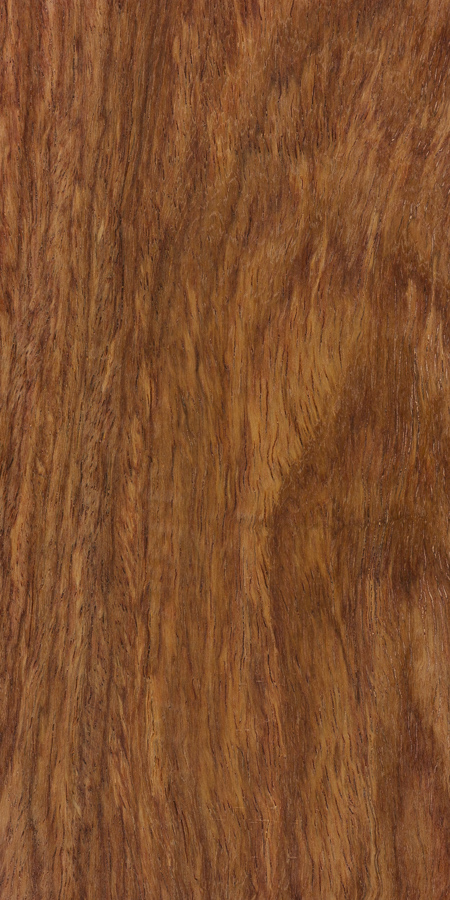 |
刺猬紫檀 Kosso |
Pterocarpus erinaceus | 760 kg/m3 (47.4 lbs/ft3) |
| 2.2 | 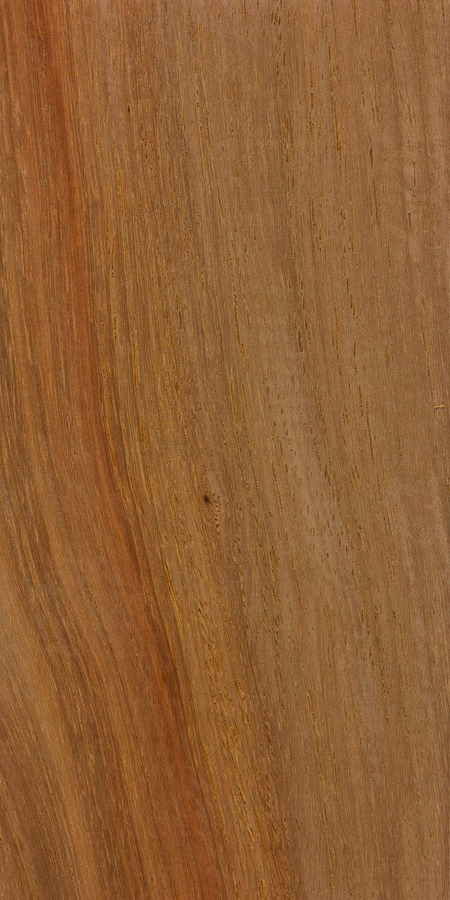 |
印度紫檀 Narra |
Pterocarpus indicus | |
| 2.3 | 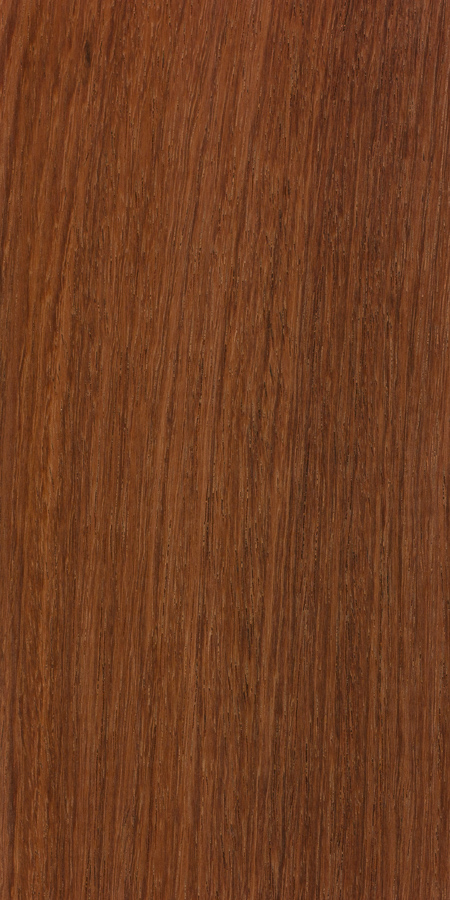 |
大果紫檀 Burma padauk |
Pterocarpus macrocarpus | |
| 2.4 | 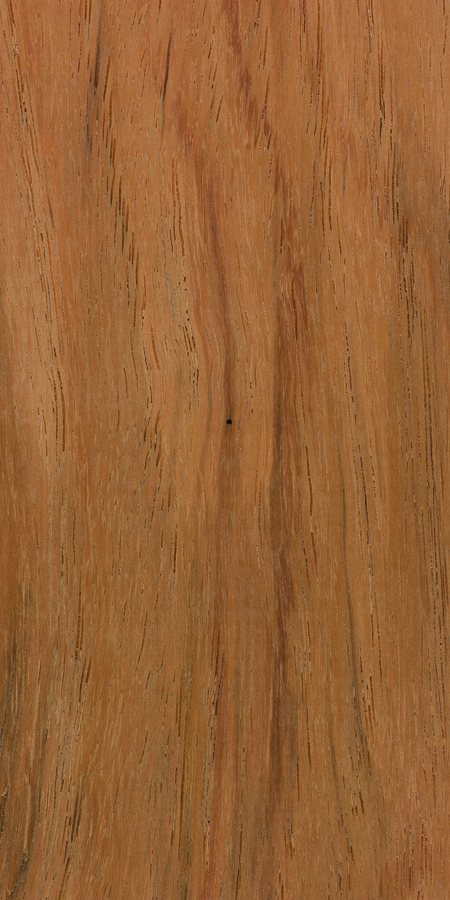 |
安达曼紫檀 Andaman padauk |
Pterocarpus dalbergioides | |
| 2.5 | 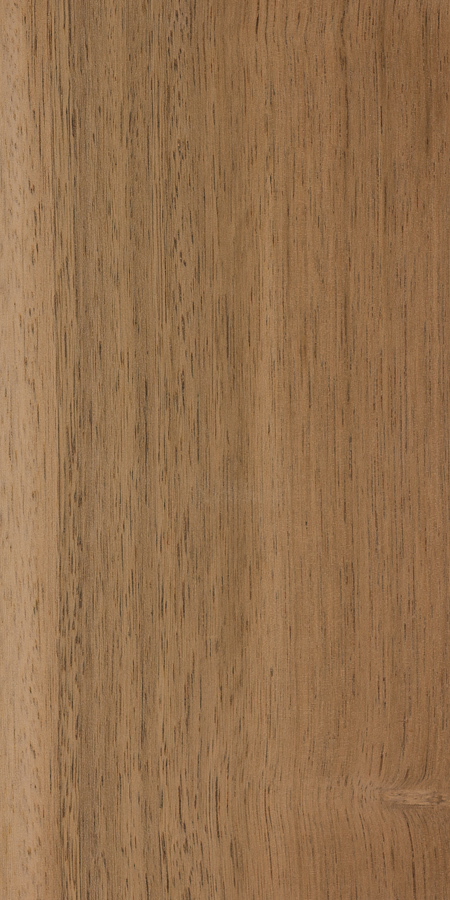 |
囊状紫檀 Indian kino |
Pterocarpus marsupium | |
| 3. 香枝木类 Scented Rosewood Class | ||||
| 3.1 | |
降香黄檀 Hainan Huanghuali |
Dalbergia odorifera | 800 kg/m3 (49.9 lbs/ft3) |
| 4. 黑酸枝木类 Black Pungent-Scented Rosewoods | ||||
| 4.1 | 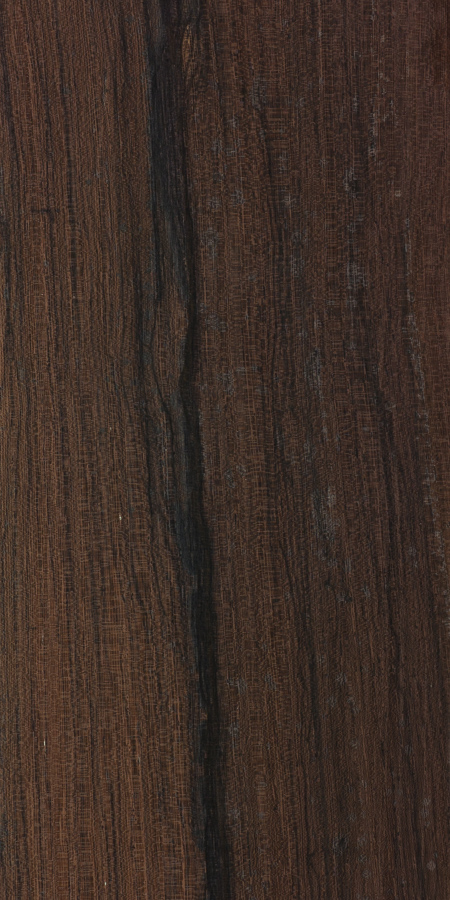 |
刀状黑黄檀 Burmese blackwood |
Dalbergia cultrata | 850 kg/m3 (53.1 lbs/ft3) |
| 4.2 | 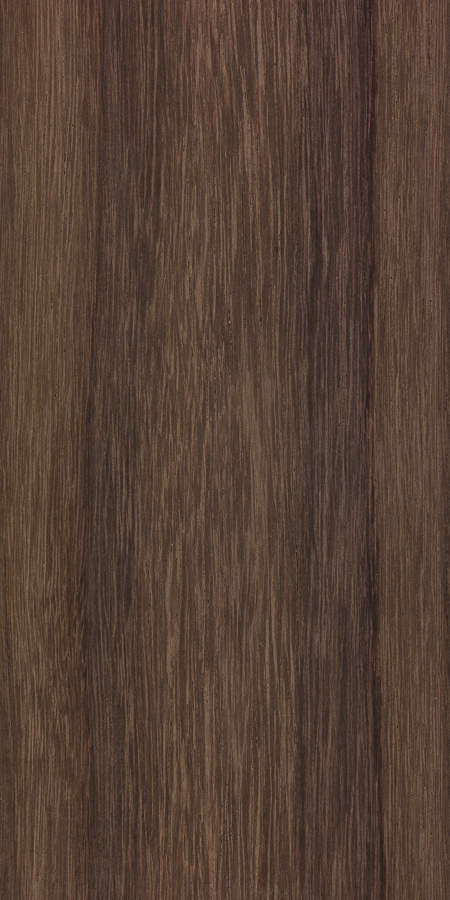 |
阔叶黄檀 East Indian rosewood |
Dalbergia latifolia | |
| 4.3 | 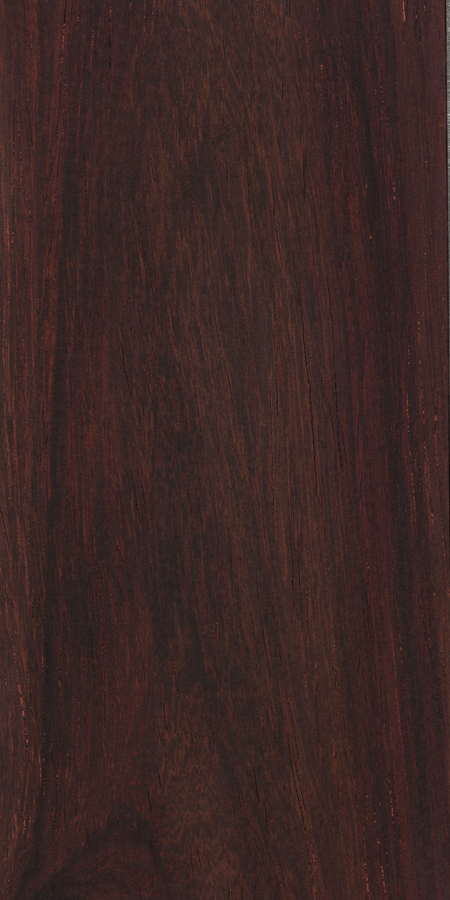 |
卢氏黑黄檀 Bois de rose |
Dalbergia louvelii | |
| 4.4 | 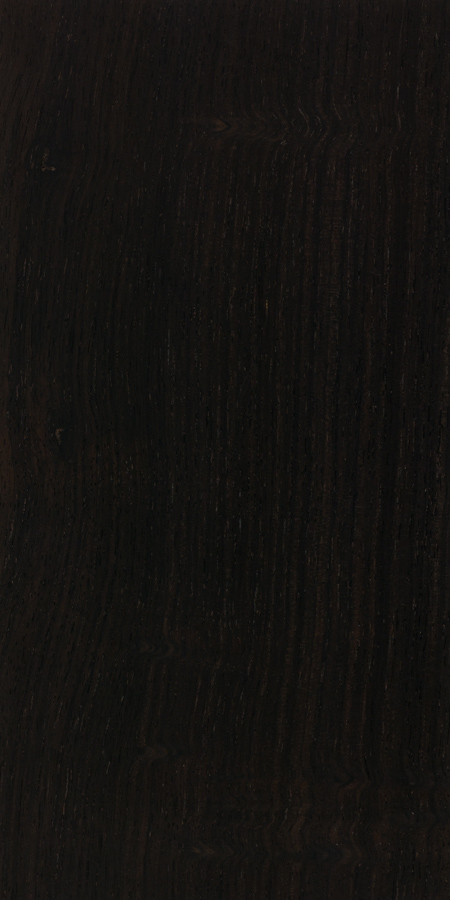 |
东非黑黄檀 African Blackwood |
Dalbergia melanoxylon | |
| 4.5 | 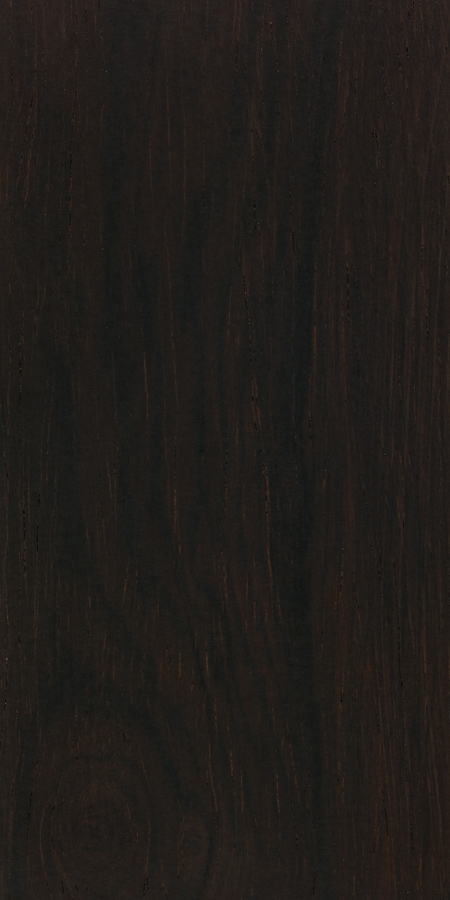 |
巴西黑黄檀 Brazilian rosewood |
Dalbergia nigra | |
| 4.6 | 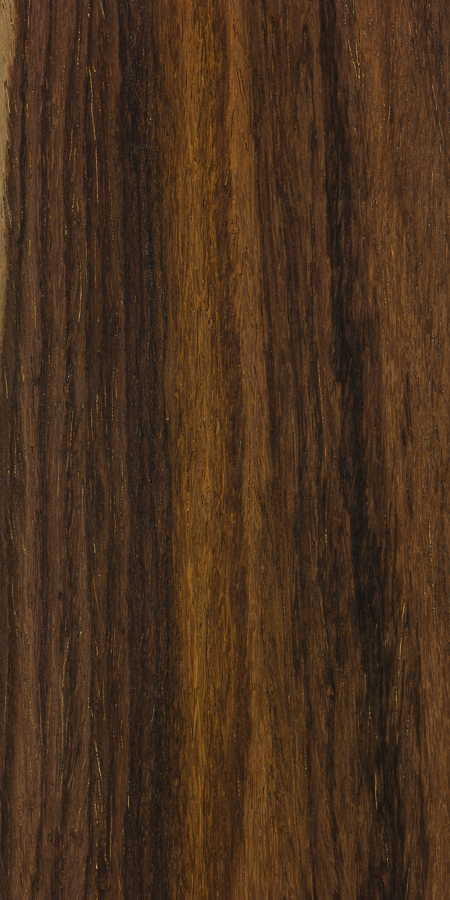 |
亚马孙黄檀 Amazon rosewood |
Dalbergia spruceana | |
| 4.7 | 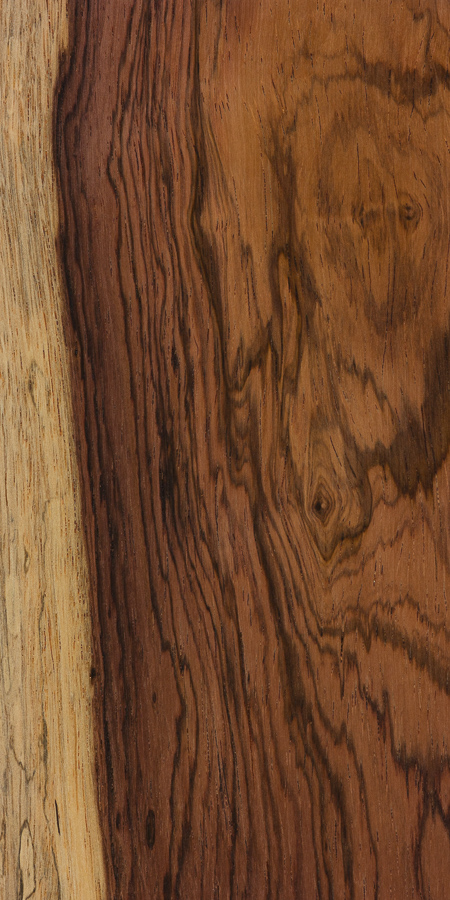 |
伯利兹黄檀 Honduran rosewood |
Dalbergia stevensonii | |
| 5. 红酸枝木类 Red Pungent-Scented Rosewoods | ||||
| 5.1 | 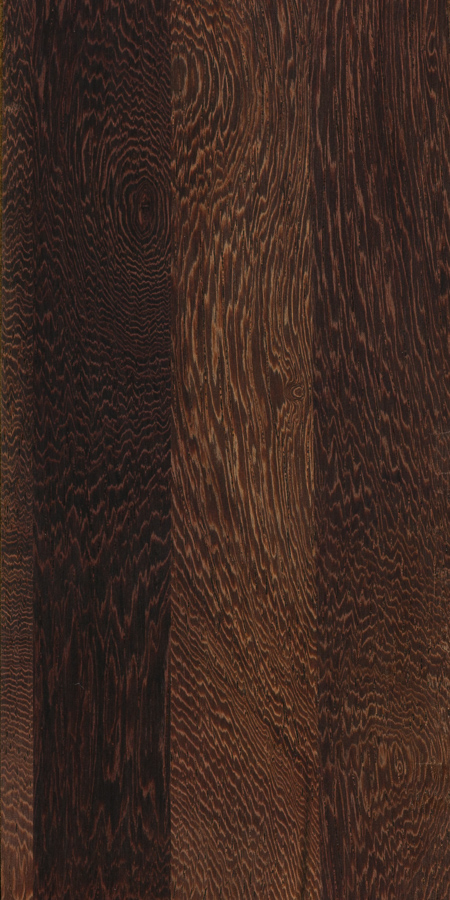 |
巴里黄檀 Vietnamese rosewood |
Dalbergia bariensis (syn. = Dalbergia oliveri) |
850 kg/m3 (53.1 lbs/ft3) |
| 5.2 | 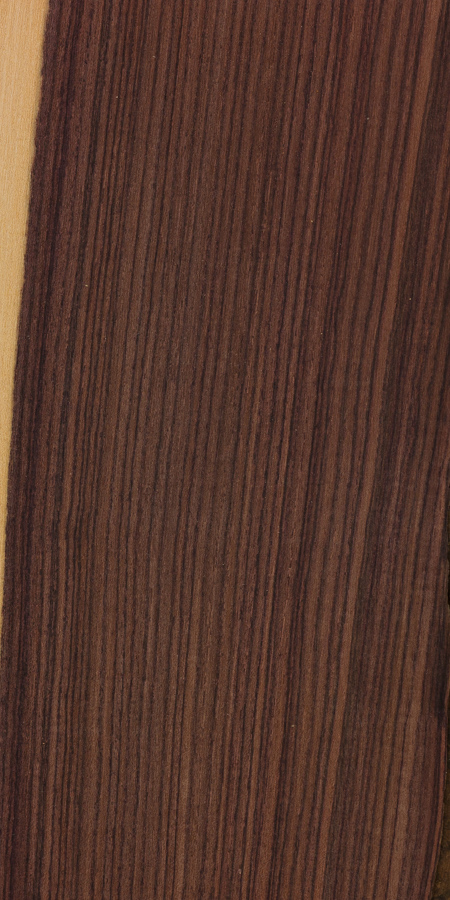 |
赛州黄檀 Kingwood |
Dalbergia cearensis | |
| 5.3 | |
交趾黄檀 Siamese rosewood |
Dalbergia cochinchinensis | |
| 5.4 | 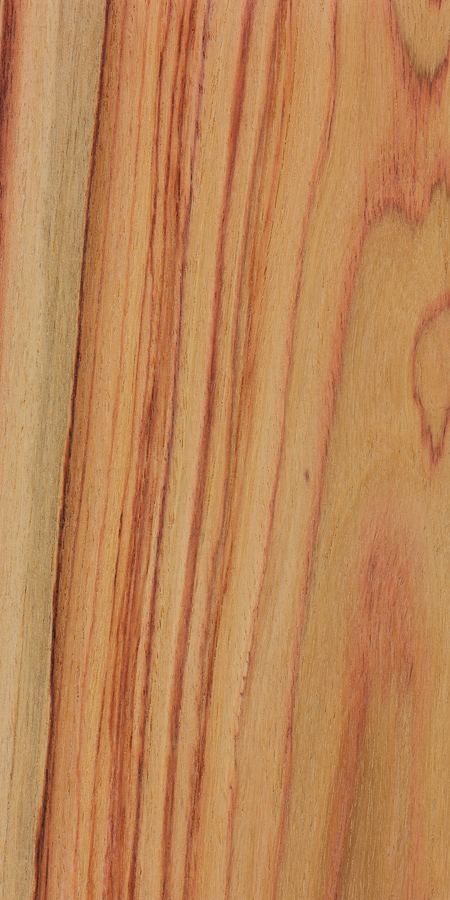 |
绒毛黄檀 Brazilian tulipwood |
Dalbergia frutescens var. tomentosa (syn. =Dalbergia frutescens) |
|
| 5.5 | 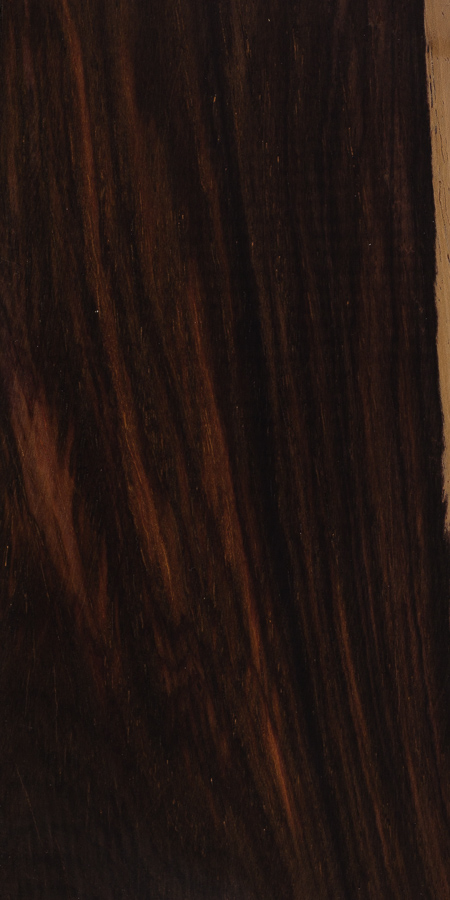 |
中美洲黄檀 Mexican cocobolo |
Dalbergia granadillo | |
| 5.6 | 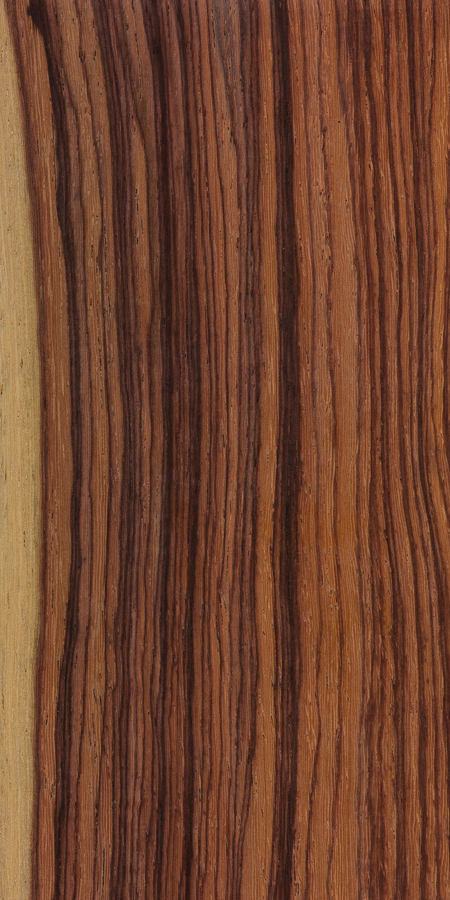 |
奥氏黄檀 Burmese rosewood |
Dalbergia oliveri | |
| 5.7 | 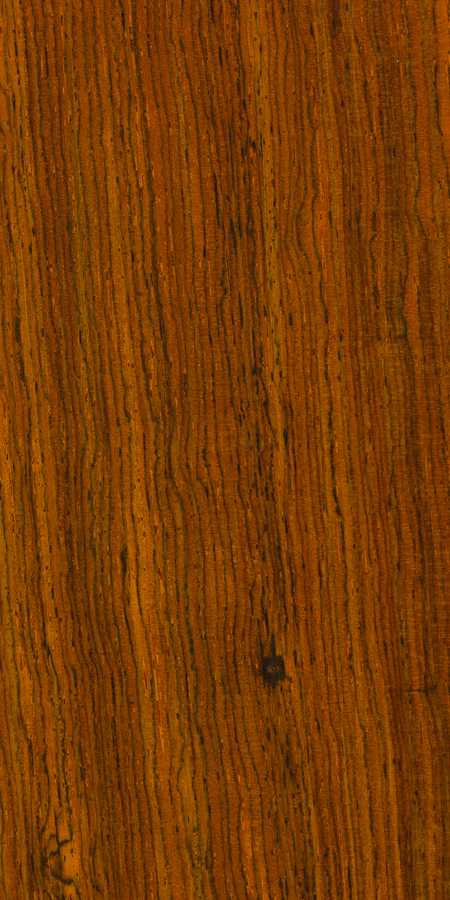 |
微凹黄檀 Cocobolo |
Dalbergia retusa | |
| 6. 乌木类 Solid Ebonies | ||||
| 6.1 | 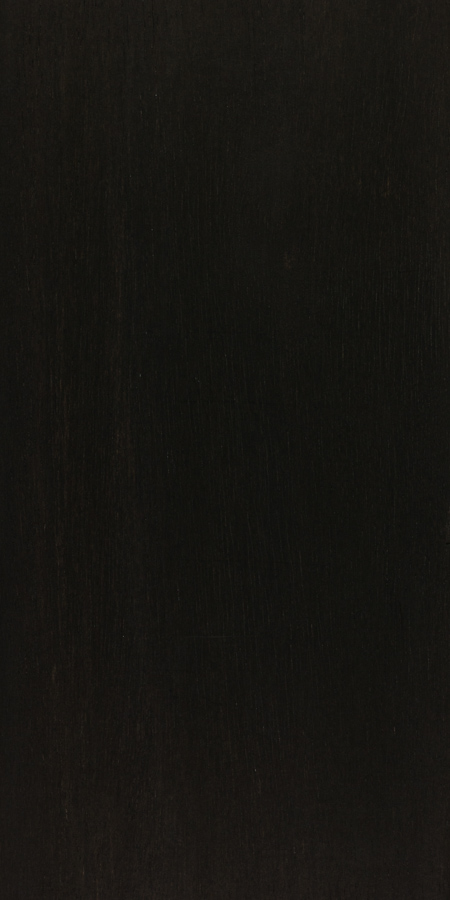 |
厚瓣乌木 African ebony |
Diospyros crassiflora | 900 kg/m3 (56.2 lbs/ft3) |
| 6.2 | 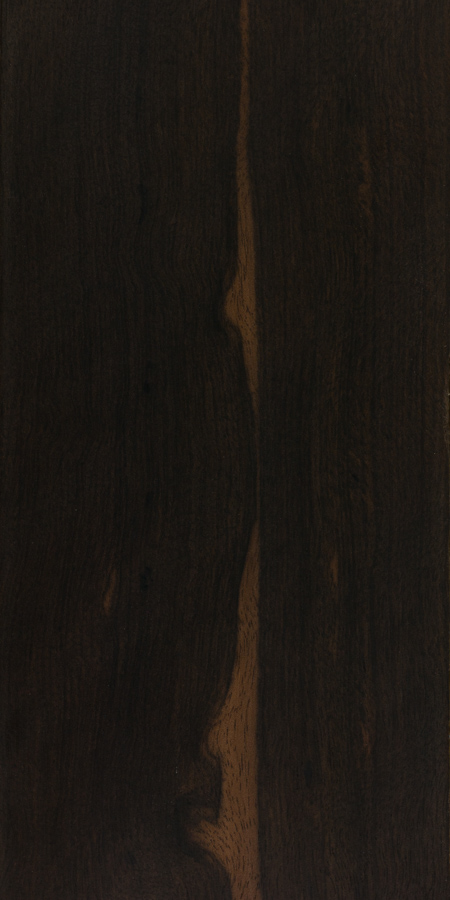 |
乌木 Ceylon ebony |
Diospyros ebenum | |
| 7. 条纹乌木类 Striped Ebonies | ||||
| 7.1 | 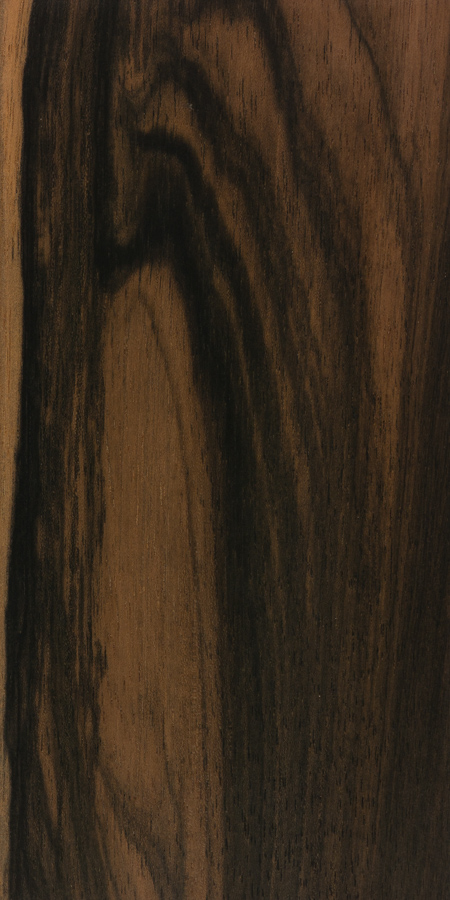 |
苏拉威西乌木 Macassar ebony |
Diospyros celebica | 900 kg/m3 (56.2 lbs/ft3) |
| 7.2 | 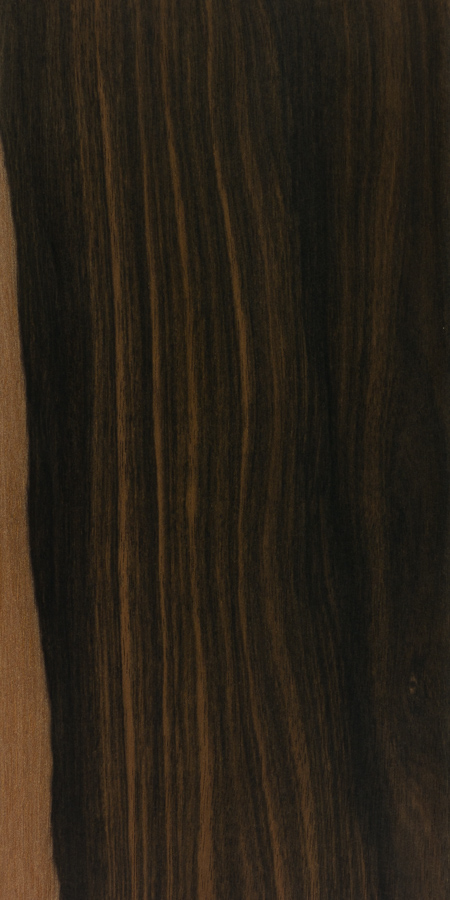 |
菲律宾乌木 Kamagong |
Diospyros philippensis (syn. = Diospyros blancoi) |
|
| 7.3 | 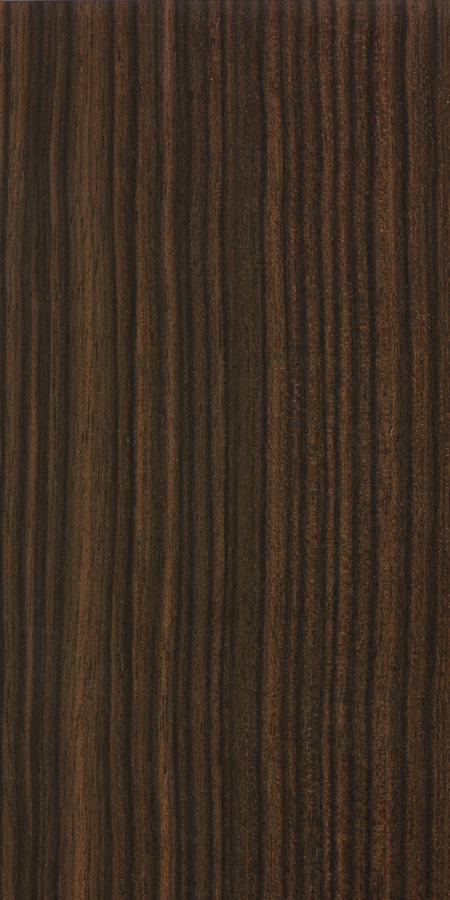 |
毛药乌木 Streaked ebony |
Diospyros pilosanthera (syn. Diospyros oblonga var. oblonga) |
|
| 8. 鸡翅木类 Chicken-Wing Pattern Class | ||||
| 8.1 | 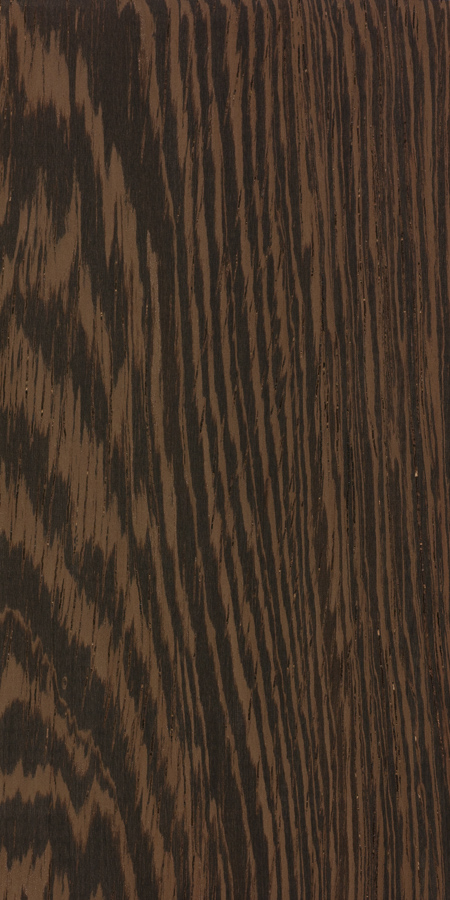 |
非洲崖豆木 Wenge |
Millettia laurentii | 800 kg/m3 (49.9 lbs/ft3) |
| 8.2 | 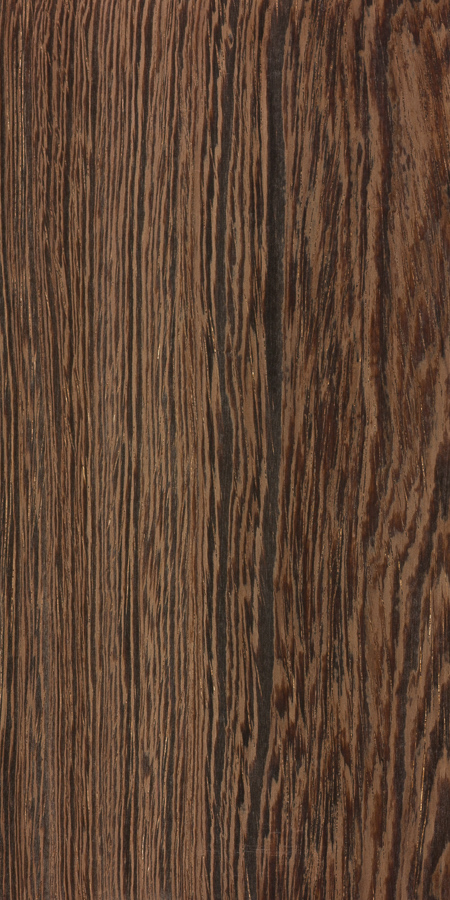 |
白花崖豆木 Thinwin |
Millettia leucantha (syn. Imbralyx leucanthus) |
|
| 8.3 | 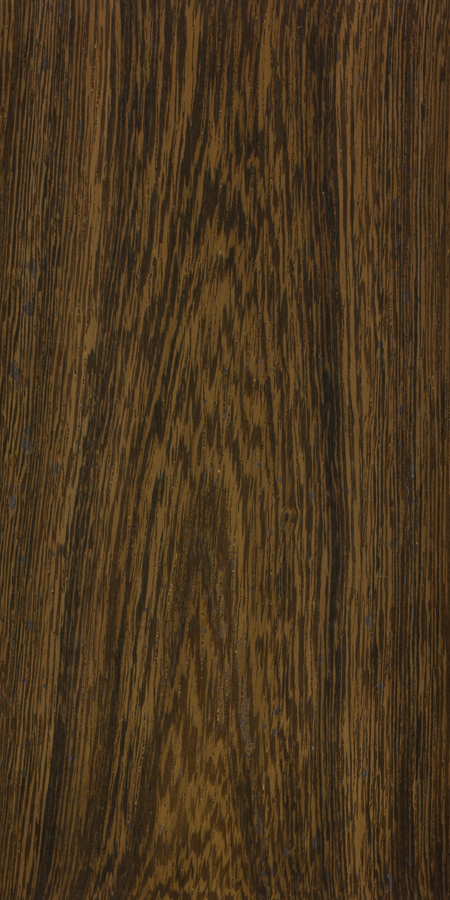 |
铁刀木 Pheasantwood |
Senna siamea | |
References
| ↑1 | 最后的”老三样”:大红酸枝也已渐行渐远! [The last of the “old three”: Dalbergia cochinchinensis is also gradually moving away!]. (2017, June 9). Haisibot. Retrieved August 5, 2025. |
|---|---|
| ↑2 | Zhang, W. (2023). 红木家具用材的演变与发展趋势 [The evolution and development trend of hongmu furniture materials]. Zhongguo Linye Chanye, 12(4), 25–30. |
| ↑3 | General Administration of Quality Supervision, Inspection and Quarantine of the People’s Republic of China, & Standardization Administration of the People’s Republic of China. (2017). Hóngmù [Hongmu] (Standard No. GB/T 18107-2017). State Administration for Market Regulation. https://openstd.samr.gov.cn/bzgk/gb/newGbInfo?hcno=6E961C6DB78254EF883B5053D08BFA3B |